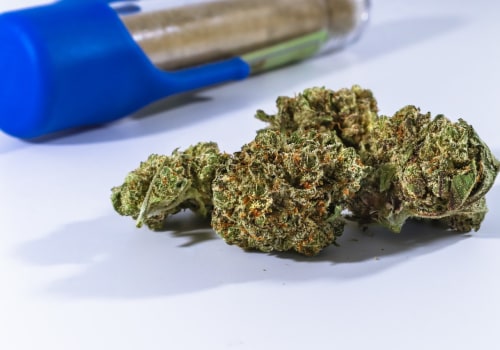
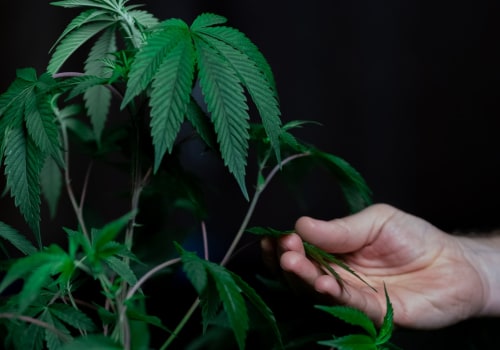
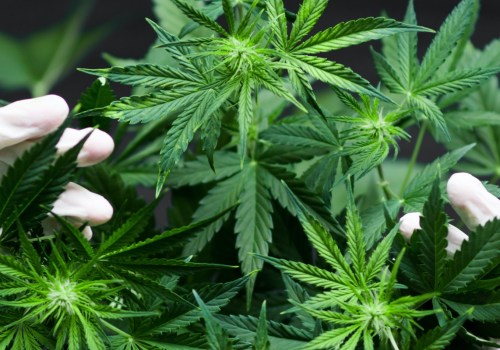
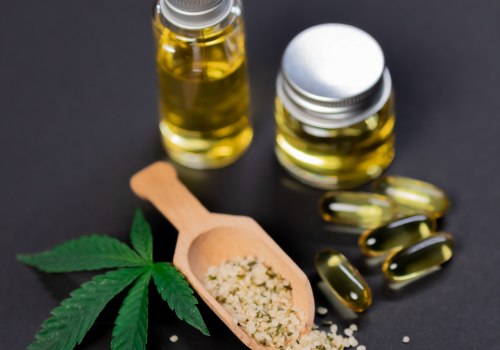
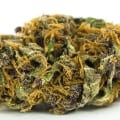
Sativa cannabis is often associated with stimulating or uplifting experiences, although individual responses can vary substantially. Cannabis effects depend on factors such as THC and CBD concentrations, terpene composition, potency, amount consumed, personal sensitivity, previous experience, and other substances or medications. For this reason, the term “sativa” should not be treated as a guarantee of a particular mental or physical effect. Adults who consider cannabis as part of their lifestyle can benefit from learning about the specific product rather than relying exclusively on strain labels or general descriptions. A broader wellness approach also recognizes that cannabis is only one potential lifestyle choice and should not replace established health practices or appropriate professional care.
Considering Physical Wellness
Physical wellness includes regular movement, balanced nutrition, adequate sleep, preventive healthcare, and habits that support long-term functioning. Some adults may incorporate cannabis into recreational routines, but cannabis should not be considered a substitute for these foundational practices. THC can affect coordination, reaction time, attention, and judgment, which means individuals should avoid driving or operating machinery while impaired. Cannabis can also produce unwanted physical effects, including dizziness, drowsiness, or increased heart rate. People who take medications or manage existing health conditions should discuss cannabis use with an appropriate healthcare professional because cannabinoids can interact with certain medications. These considerations can help individuals make choices that fit responsibly within their broader physical wellness goals.
Exploring Mental and Emotional Wellness
Mental wellness involves more than feeling positive or relaxed at a particular moment. It can include emotional resilience, healthy relationships, effective coping strategies, meaningful activities, and the ability to manage everyday responsibilities. Some adults may describe certain cannabis experiences as uplifting or relaxing, while others may experience anxiety, confusion, or increased sensitivity. Because responses can differ, cannabis should not automatically be viewed as a treatment for anxiety, depression, stress, or other psychological concerns. Individuals experiencing persistent emotional difficulties may benefit from professional assessment and support. When appropriate, resources such as Cabot Psychological Services Minneapolis MN can provide additional assistance for individuals seeking guidance related to emotional and psychological well-being.
Building a Balanced Wellness Routine
A comprehensive wellness routine can include many strategies that work together to support physical and emotional health. Regular exercise, restorative sleep, nutritious meals, time outdoors, hobbies, mindfulness, and supportive social relationships can all contribute to overall well-being. If an adult chooses to use cannabis where it is legal and appropriate, it can be considered within the context of these broader habits rather than as the central foundation of wellness. Paying attention to how cannabis affects motivation, concentration, mood, relationships, and responsibilities can also help individuals determine whether it aligns with their personal goals. If a habit begins interfering with everyday functioning or becomes the primary way of managing difficult emotions, it may be useful to reassess the situation and seek appropriate guidance.
Making Informed Personal Decisions
A broader approach to wellness emphasizes informed choices and awareness of individual differences. Adults considering sativa cannabis should understand potential impairment, avoid combining it with alcohol or other substances that may increase impairment, and remain aware of local regulations. People who are pregnant, breastfeeding, taking prescription medications, or managing medical or psychiatric conditions should seek professional advice before using cannabis. Ultimately, sativa cannabis may be part of some adults' recreational lifestyles, but its role in wellness should be considered carefully. A healthy mind-body approach focuses on sustainable habits, realistic expectations, personal responsibility, and appropriate healthcare. By considering physical health, emotional well-being, relationships, daily responsibilities, and long-term goals together, individuals can make lifestyle decisions that better support their overall quality of life.